
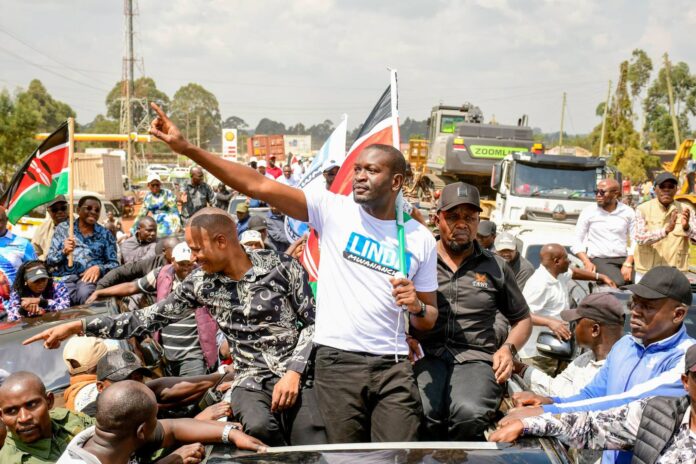
BY JOSIAH ODANGA: Tonight’s interview between Yvonne Okwara and Edwin Sifuna is shaping up to be one of the most closely watched political conversations in recent months.
Whether one supports or opposes him, the interview presents Sifuna with a rare opportunity to define himself before a national audience and shape the public conversation around his political future.
In political communication, moments such as these often become defining tests of leadership.
They are not won merely by answering questions correctly, but by projecting confidence, authenticity, emotional intelligence and a compelling vision.
Recent public discourse and opinion surveys have elevated Sifuna’s profile within Kenya’s opposition politics, placing him alongside established figures such as Kalonzo Musyoka, Dr Fred Matiang’i, Martha Karua and others frequently mentioned in conversations about the country’s future leadership.
Whether that momentum is sustainable will depend largely on how effectively he communicates his message.
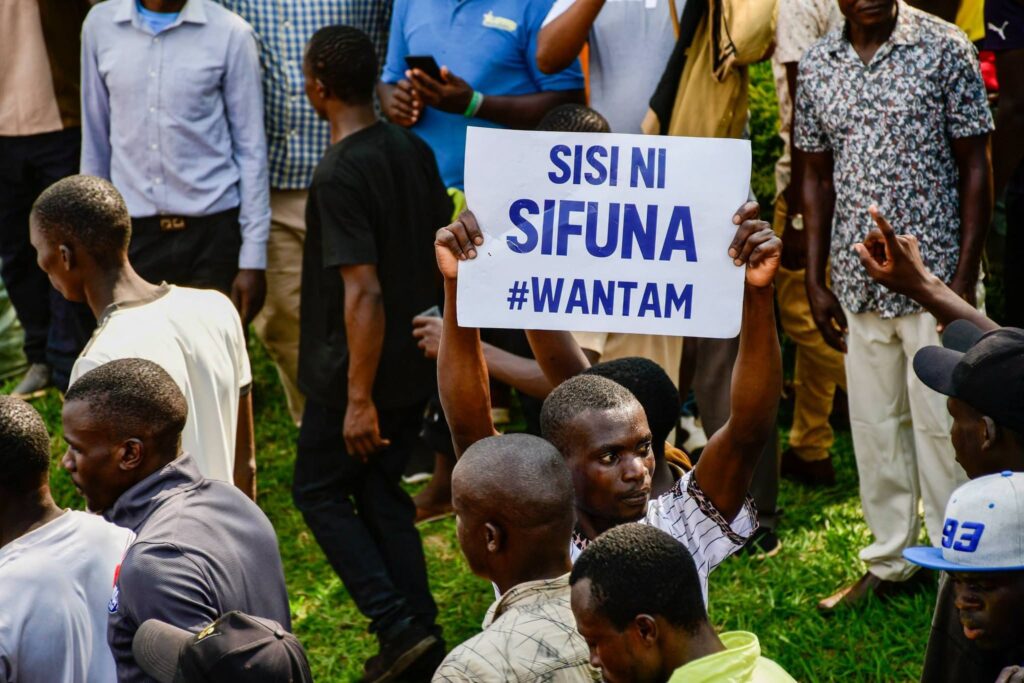
From the moment he walks into the studio, every detail will matter, his appearance, body language, composure, tone and consistency of message.
Leadership is communicated as much through presence as through words.
Political stance
One of the questions I expect Yvonne Okwara to ask early in the interview is whether Sifuna is officially seeking the presidency.
Whatever his political strategy may be, his answer should be clear, deliberate and consistent.
Ambiguity at this stage risks creating uncertainty, while clarity reinforces credibility; if he intends to run, he should explain not only that decision but also the national vision and moral conviction informing it.
Should he declare his presidential ambitions, the discussion should quickly shift from personality to purpose.
Kenyans will want to hear what kind of country he hopes to build, how he intends to tackle corruption, create economic opportunities, strengthen institutions and restore public confidence in government.
Elections are increasingly becoming contests of ideas rather than slogans alone.
Raila Odinga’s heir
Another likely question is whether he considers himself Raila Odinga’s political successor. The most effective response, in my view, would be one that respectfully acknowledges Raila Odinga’s immense contribution to Kenya’s democratic journey while making it clear that leadership cannot simply be inherited.
Sifuna should present himself as a leader inspired by that legacy but determined to chart his own path. Voters generally reward authenticity over imitation.
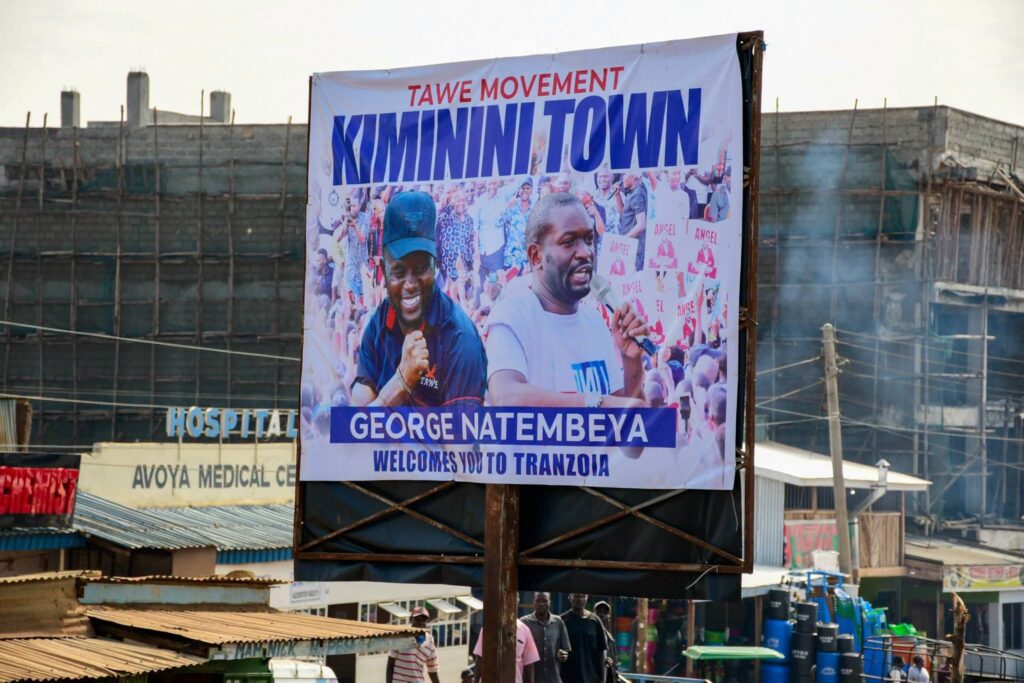
Questions surrounding the Linda Mwananchi movement are equally inevitable. Kenyans will want clarity on its organisational structure, legal status and long-term political strategy.
Rather than dwelling on disagreements arising from his departure from ODM, Sifuna would benefit from communicating a forward-looking agenda centred on institution building, policy development and citizen participation.
Closely related will be questions about the movement’s leadership, particularly regarding prominent figures associated with it.
Such moments require diplomacy; successful political leaders acknowledge differing perspectives while reassuring supporters that the broader mission remains greater than individual personalities.
Manifesto and roadmap
A competent interviewer will almost certainly probe whether Sifuna already has a concrete policy agenda or manifesto.
This presents an opportunity to demonstrate preparedness by outlining key priorities while explaining how a comprehensive manifesto is being developed through consultation with citizens and experts.
Voters are increasingly interested in practical solutions rather than campaign rhetoric.
The interview will also likely explore Sifuna’s relationship with other opposition leaders. This is an opportunity to demonstrate political maturity by expressing respect for fellow leaders, recognising their contributions and signalling openness to dialogue and coalition-building where national interests require it.
Such an approach reassures supporters without unnecessarily alienating potential allies.
Source of money
Campaign financing is another area that may arise. If asked, Sifuna should present transparency as a strength by explaining how his political activities are financed and emphasising accountability.
He can also remind Kenyans that effective leadership is ultimately measured by integrity, competence and ideas, not merely by the size of campaign war chests.
Throughout the interview, emotional intelligence will be just as important as factual accuracy.
Remaining calm under pressure, listening attentively, answering directly, avoiding defensiveness and maintaining composure will significantly influence public perception.
Every difficult question should be treated as an opportunity to reinforce his central message rather than as an attack requiring retaliation.
Finally, this interview should not simply be about Edwin Sifuna the politician; it should be about Edwin Sifuna the potential national leader. Kenyans will be watching not only for political arguments but also for character, temperament and vision.
As communications professionals understand, high-stakes interviews rarely change elections overnight. However, they often shape narratives that endure for months or even years.
A well-prepared communications team should therefore treat tonight’s engagement not merely as another television interview but as a strategic moment capable of influencing public opinion long after the cameras stop rolling.
(The writer is a journalist and a political communications specialist)