
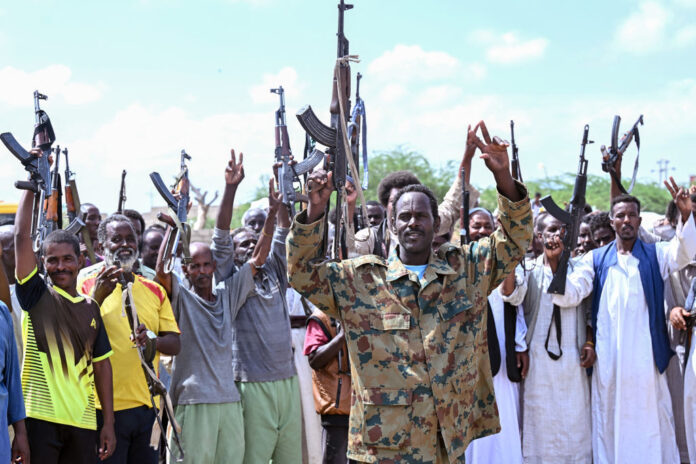
Sudan has been experiencing a very a bloody conflict since mid-April 2023 between the army affiliated with the Port Sudan authorities and the Sudan Founding Alliance “Tasis,” amid a humanitarian crisis that has left more than one million Sudanese in need of urgent humanitarian assistance.
According to the World Health Organization, approximately 37 percent of Sudan’s health facilities, more than one-third, were no longer able to provide services in 2026.
Altaf Musani, Director of the WHO Department of Humanitarian Affairs and Disaster Management, said that attacks on health facilities and healthcare workers as a result of the war had caused grave repercussions for the health sector.
He noted that the organization had recorded more than 900 attacks on healthcare in Sudan between January and August 2026.
Those attacks resulted in the deaths of at least 900 people and injured more than 1,400 others.
Earlier, the organization announced that, after three years of war, Sudan was facing the world’s largest humanitarian crisis, noting that 34 million people were in need of assistance, while 21 million were suffering from inadequate access to health services.
Meanwhile, amid developments on the ground, local reports recently indicated that airstrikes had targeted a number of towns and villages in North Kordofan, with allegations that Iranian-made vacuum bombs and explosive barrels were used during the operations.
This has sparked widespread debate over the nature of the weapons being used in the Sudanese conflict, particularly as international warnings over the dangers of targeting densely populated areas continue to mount.
Expanding reach of prohibited weapons
Informed Sudanese sources announced the arrival of vacuum bombs and Iranian-made munitions in Port Sudan, confirming that Iranian support networks and circles linked to the Islamic Movement within the Port Sudan camp continue to operate without interruption, amid calls for an international investigation to criminalize this military cooperation, particularly given the use of these munitions against civilian gatherings.
On July 19, 2026, the Sudan Founding Alliance “Tasis” said: “In a new crime added to its long record of targeting civilians and civilian infrastructure, the army of the terrorist Muslim Brotherhood group today committed a series of war crimes, as its air force launched strikes targeting unarmed civilians in the city of Umm Qarfah and the villages of Al-Hariz Al-Hamadab, Wad Musa, Al-Markhah, and Umm Taqirat in North Kordofan State, using Iranian-made vacuum bombs and explosive barrels dropped by Antonov aircraft, in a flagrant violation of international humanitarian law and all international norms and conventions.”
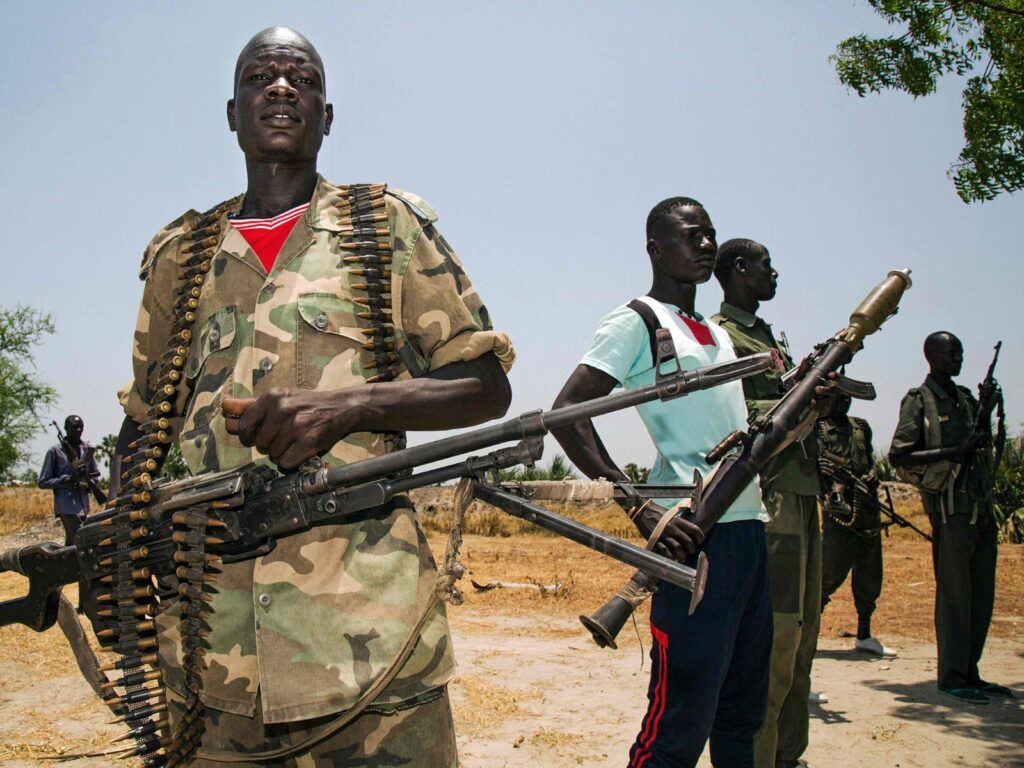
It explained that “in the city of Umm Qarfah, the bombardment resulted in the deaths of three herders and two women, in addition to the deaths of livestock while they were at water sources, after the army of the terrorist Muslim Brotherhood group deliberately targeted water sources. The bombardment of the other villages also resulted in the deaths of seven civilians, including two children and five men, among them two elderly men, and injured 18 civilians with varying degrees of severity, in systematic crimes targeting civilians and their livelihoods.”
It added that “the targeting of water sources and civilian gatherings, and the use of weapons with a wide destructive impact in populated areas without the presence of any military targets, constitutes a fully-fledged war crime requiring international criminal accountability and reflects the army’s insistence on pursuing a policy of collective punishment against civilians.”
Dangerous weapons
Explosive barrels have become one of the most dangerous tools of war in Sudan, having been used in indiscriminate aerial attacks targeting entire civilian areas, according to documentation by human rights and local organizations.
Amnesty International described the explosive barrels used by the Sudanese army as crude, unguided munitions that are manually rolled from the rear of transport aircraft flying at high altitudes, making it impossible to control where they will land.
The organization said that this method does not permit precise guidance of the munition and that its use in populated areas makes its effects inherently indiscriminate, potentially amounting to a war crime if the attack is carried out without distinguishing between military targets and civilians.
The Al Jazeera Observatory for Human Rights said in a statement on July 20, 2026, that “airstrikes targeted a number of areas in the state, including the city of Umm Qarfah, Al-Hamadab, Umm Taqirat, and the villages of Al-Hariz, amid calls for an urgent investigation into the circumstances surrounding these events.”
It said the attacks had been described as intense and noted “that the use of explosive barrels directly injured civilians and resulted in dozens of deaths and injuries among residents, including children and women, according to preliminary information contained in the statement.”
The observatory added that “the bombardment also targeted water sources and livestock herds, causing major losses to livestock wealth and destroying a number of water stations,” noting “that eyewitnesses accused the army of using internationally prohibited weapons and materials.”
It condemned what it described as the targeting of civilians, residential areas, and safe villages, and affirmed “that residents should not be victims of the ongoing conflict.” It called for “an independent and urgent investigation into the events that took place in areas of North Kordofan.”
It said that “targeting areas devoid of any military presence or formations constitutes a serious violation,” and called for “any party proven to have been involved in these attacks to be held accountable and those responsible brought to justice.”
U.S. concern
On December 14, 2023, the United States expressed concern over an airstrike carried out by the Sudanese Armed Forces on September 10 against southern Khartoum, which resulted in the deaths of at least 43 people.
It confirmed that explosive barrels had been used in the war that had been raging for months in Sudan between the army and Tasis forces, adding: “Bombardment has continued in a number of areas, including the use of explosive barrels.”
It is worth noting that the United States imposed sanctions on the army and its commander, Abdel Fattah al-Burhan, over the use of chemical weapons, which have been confirmed to have been used more than once during the ongoing conflict.