
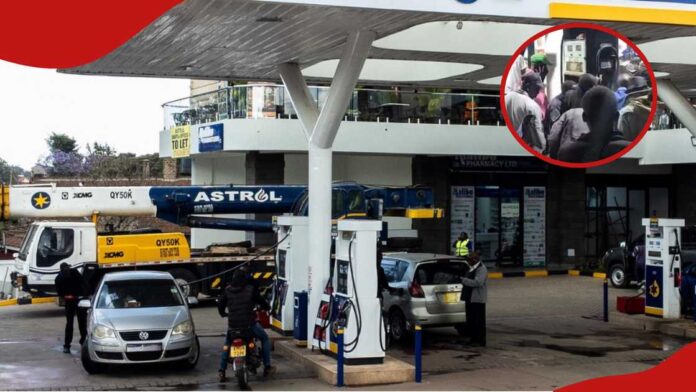
The brief reprieve for Kenyan motorists has come to an abrupt end.
According to the latest pricing cycle released by the Energy and Petroleum Regulatory Authority (EPRA), the era of lower pump prices following April’s tax adjustments was short-lived.
Between May 15 and June 14, 2026, consumers will need to navigate a significantly more expensive landscape at the filling station.
The new review confirms a steep upward trajectory for the country’s most essential fuels.
While the price of kerosene remains unchanged, providing a small measure of stability for households, the costs of super petrol and diesel have surged by Sh16.65 and Sh46.29 per litre, respectively.
This sharp increase effectively erases the gains made just last month when the revision of Value Added Tax (VAT) from 13 percent to 8 percent brought prices down to roughly Sh197.60 for petrol and Sh196.63 for diesel.
The regulator points to a volatile global market as the primary culprit for this shift.
EPRA data reveals that the average landed cost of imported super petrol rose by 10 percent in a single month, climbing to over $906 per cubic metre. Diesel took an even harder hit, recording a massive 20.32 percent jump in landed costs.
The implications of this review extend far beyond the petrol station.
Because the manufacturing and transport sectors rely so heavily on diesel, the Sh46 increase is expected to trigger a ripple effect across the economy.
As production and logistics costs climb, manufacturers and transporters are likely to pass the burden to the public.
For Kenyans already managing a tight cost of living, this latest review signals renewed pressure on the price of everyday goods and services.