
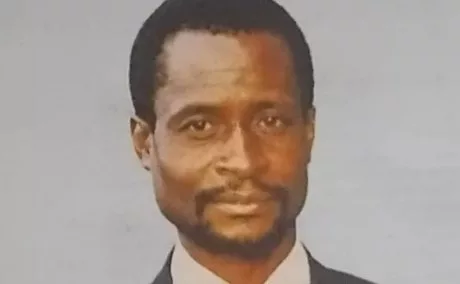
BY JAMES KILONZO: The passing of Mwalimu Daniel Oluoch Wandayi, a veteran educator and the elder brother of Energy and Petroleum Cabinet Secretary James Opiyo Wandayi, after a short illness has drawn Siaya County into a period of collective mourning that extends beyond familial sorrow into reflections on leadership, education, and communal solidarity.
His life, dedicated to teaching and the steady shaping of young minds, reminds us that the foundations of public life in our counties are often laid by teachers whose influence is measured not in headlines but in the steady cadence of classrooms, the discipline of young citizens, and the quiet stewardship of values that sustain civic life.
While the loss is deeply personal for a family that has contributed to national service, it is also emblematic of the way communities such as those in Ugunja quietly grieve the departure of figures who have been anchors in local life.
The sorrow being witnessed across the constituency, together with the support shown by leaders including Ugunja Member of Parliament Hon. Moses Omondi, reflects how closely the bonds of community are tied to the lives of educators who dedicate themselves to serving others.
It also demonstrates that the networks supporting elected leaders and public servants are rooted in broader social ties, neighbuorhood institutions, and the moral authority imparted by educators over decades.
A man of the people
The presence of public officials in moments of mourning underscores the reciprocal relationship between political leadership and the social fabric they serve.
It reminds us that political influence is legitimized not only through policy but also through attentiveness to communal rites, respect for elders, and the honouring of those who fashioned civic virtues in classrooms and community halls.
The farewell to Mwalimu Wandayi should therefore prompt reflection by leaders and citizens alike on how we recognise and invest in the institutions that produce steady public servants, including schools, teacher development, and community mentorship.
It should also inspire us to translate personal grief into public commitments that protect and value the educators who shape future generations.
Selflessness
As families contend with loss and public figures observe the traditions of condolence, there lies an opportunity for renewed emphasis on the dignity of public service at every level.
This is a call for political leaders to show solidarity that extends beyond ceremonial attendance and public statements.
It is also an invitation for both county and national institutions to ensure that the contributions of veteran educators are remembered through meaningful support, whether by preserving their legacies in local educational history, strengthening teacher welfare, or reinforcing community structures that keep social cohesion strong during difficult moments.
Equally important, the way communities respond to this death will reveal much about the health of local leadership.
It will demonstrate whether leaders truly listen to the concerns expressed during periods of mourning, whether they acknowledge the often unseen labour performed by educators, and whether they are prepared to commit themselves to policies that protect the social capital built through years of dedicated teaching.
Grief that is acknowledged can become a catalyst for meaningful conversations about how counties invest in human capital, care for retired and ageing public servants, and preserve the legacies of individuals whose service continues to inspire long after they have departed.
On a human level, the immediacy of this loss invites a tempering of political rivalry and a recommitment to compassionate leadership that values presence above public pronouncements.
It is through simple acts of condolence, attendance at funeral ceremonies, and sustained support for bereaved families that leaders demonstrate empathy which resonates deeply with the people they serve.
Such gestures strengthen the trust between leadership and the community and remind citizens that public office ultimately exists to serve humanity.
Pillars of the community
The funeral and its attendant traditions also serve as a civic reminder that local histories are woven together by educators like Mwalimu Daniel Oluoch Wandayi, whose daily commitment in classrooms nurtured the social responsibility and civic values necessary for communities to thrive.
His contribution should not be allowed to fade into a brief news cycle.
Rather, it should encourage a renewed commitment to education, ensure that teachers remain central in policy decisions affecting learning, and cultivate a culture where service and sacrifice in quiet roles receive the recognition they deserve.
Finally, while the immediate grief belongs first to the Wandayi family and those closest to them, the lessons arising from this loss extend to the whole of Siaya County and beyond.
They call upon leaders to transform sympathy into lasting support for the pillars of our society, to honour the deceased through investments that outlive seasons of mourning, and to remember that the moral authority guiding national leadership often begins in the humble classrooms where dedicated teachers shape future generations.
If elected and appointed leaders respond to this loss by strengthening educational institutions, uplifting teachers, and demonstrating compassionate leadership, then the passing of Mwalimu Daniel Oluoch Wandayi will inspire not only collective mourning but also a renewed commitment to the enduring public values he faithfully embodied.