
By DAMARIS AWUOR: For many entrepreneurs in Siaya, opening their businesses each morning is more than a simple routine.
It is a daily struggle to survive in an increasingly difficult environment.
Among them is Rose Atieno, who points out that traders operating from informal market spaces continue to pay taxes to the county government despite their harsh working conditions.
Atieno stresses that many traders occupy spaces with uncertain futures, leaving them in constant fear of eviction whenever landowners decide to reclaim their property.
For small-scale business owners who rely on daily sales to support their families, this persistent instability is deeply unsettling.
She believes traders deserve secure, suitable locations where they can operate without the constant threat of displacement.
When it rains, business stalls
The struggle intensifies whenever it rains. According to local entrepreneurs, rainwater frequently floods parts of the marketplace, creating muddy, hazardous conditions that hinder movement for both vendors and customers.
Instead of focusing on attracting buyers and selling goods, traders are forced to spend their energy protecting their inventory from water damage.
The persistence of these conditions raises serious questions about whether county authorities are giving enough attention to the basic infrastructure required to maintain safe, productive commercial spaces.
Delayed construction and lost livelihoods
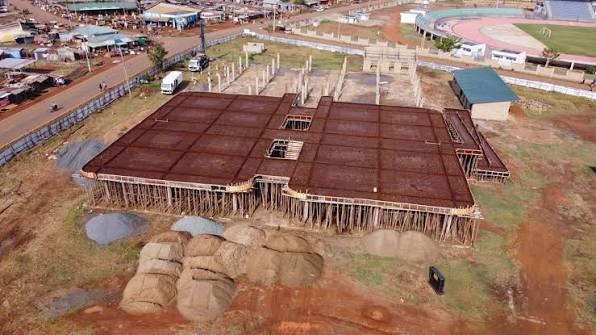
Another major grievance is the slow progress on unfinished market facilities. Traders report that contractors have barred them from accessing or setting up shop in unfinished sections due to ongoing construction work.
However, leaving business behind for days or weeks is simply not an option for daily-wage earners.
Every day away from the market means lost income, spoiled goods, and increased difficulty meeting basic household needs.
Entrepreneurs are demanding clear timelines from the relevant authorities on when construction will be completed and when they can safely occupy their designated stalls.
Beyond infrastructure, the overall hygiene of the market remains a critical issue.