
By GEOFREY KASERA: For a woman in labour, a complication can become life-threatening within minutes; what happens next depends on whether she reaches care in time, whether health workers can recognize what is happening, whether the necessary medicines and equipment are available, and whether she can be referred quickly if she needs more specialized care.
In Kisumu County, too many women and newborns are still being lost along that journey.
Between July 2025 and June 2026, 42 women died from maternal causes, giving the county a maternal mortality ratio of 135.1 deaths per 100,000 live births.
The burden is particularly concentrated: 83 percent of these deaths occurred at two referral facilities.
Gaps in Antenatal and newborn care
For newborns, the picture is also concerning. Kisumu recorded a neonatal mortality rate of 12.9 deaths per 1,000 live births, with about 400 newborn deaths during the same period, primarily driven by prematurity, birth asphyxia, and sepsis.
But the story of maternal and newborn deaths does not begin in the delivery room.
Between January and June 2026, only 17.3 percent of women started antenatal care within the first 12 weeks of pregnancy.
While 70 percent accessed ANC at some point, only 57 percent reached a fourth contact and just 6.3 percent reached the eighth contact.
That means opportunities to identify risks, manage conditions early, and prepare women for safe delivery can be missed long before labour begins.
Ensuring skilled and emergency care
Reaching a health facility does not always mean the journey is over.
In the last year, only 69.7 percent of births were attended by a skilled provider, leaving women who may need skilled care without it.
For those who do develop complications, the quality and availability of emergency care can determine whether a complication is managed or becomes fatal.
The County’s ongoing reviews of maternal and newborn deaths are helping to identify where improvements are needed across the health system.
These reviews bring together health workers and County teams to understand what contributed to a death and identify practical actions that can help prevent similar tragedies in the future.
Strengthening the continuum of care
For Kisumu County, strengthening maternal and newborn health means addressing these challenges across the continuum of care, from the community and antenatal period through delivery, emergency care, and referral.
Dr Ogolla Don, Kisumu County’s Director of Medical Services, said continued collaboration and attention to the quality of services will be important in improving outcomes for women and newborns.
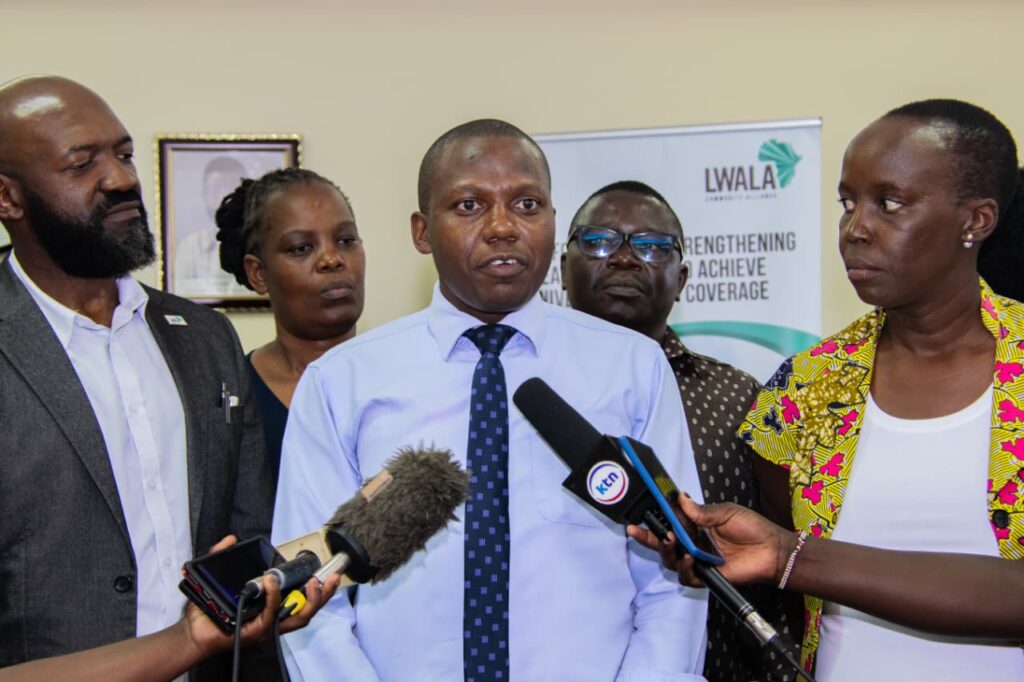
“Improving maternal and newborn health requires us to continuously strengthen the way services are delivered across the County. By working together, using the data available to us and addressing gaps as they emerge, we can improve the quality of care and ensure women and newborns receive the services they need,” he said.
The challenge for Kisumu is therefore not simply getting women into the health system, but making sure the system works for them when they get there.
A woman needs to start care early, have risks identified and managed, receive skilled care during delivery, and get a rapid and effective response if complications arise.
A newborn needs the same continuity of care, from a safe delivery to timely intervention when they struggle to breathe, are born too early, or develop an infection.
Closing these gaps requires more than strengthening a single service or facility; it requires every layer of the health system, from communities and primary care facilities to referral hospitals, to work seamlessly together.
A strategic partnership for lasting impact
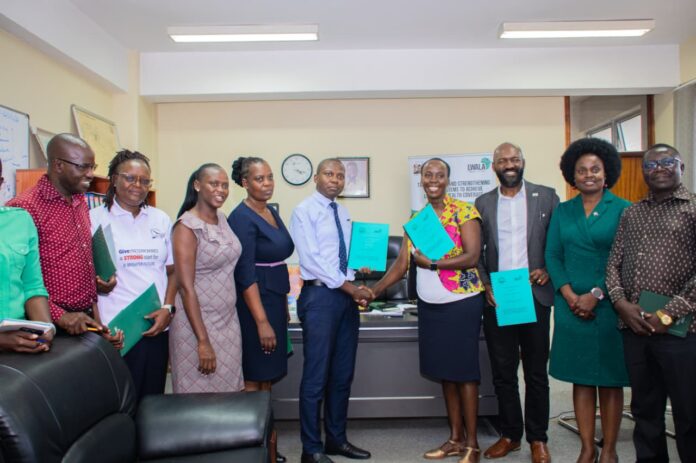
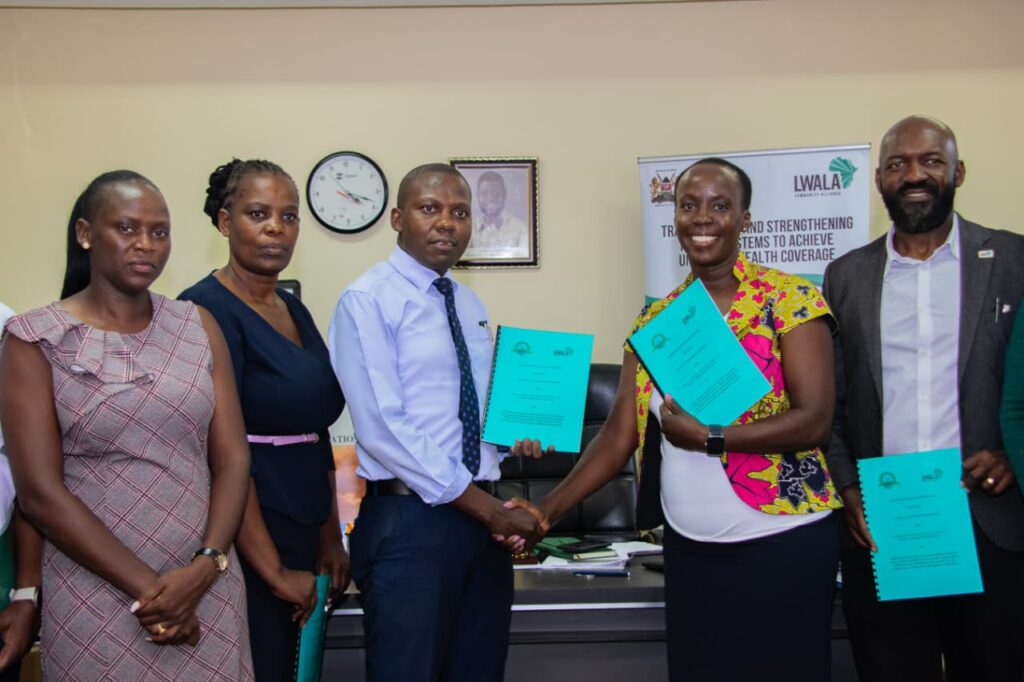
It is against this backdrop that Lwala Community Alliance and the Kisumu County Government have signed a partnership agreement to strengthen maternal and newborn health services and systems across the county.
The partnership will focus on strengthening emergency obstetric and newborn care, health worker skills and mentorship, quality improvement, referral systems, and the data-driven optimization of care.
It will also solidify the connection between community and facility services, spanning early ANC, risk identification, skilled delivery, emergency response, and postnatal care.
Importantly, the partnership builds on County leadership and existing systems rather than creating parallel structures.
Lwala will work alongside County teams to provide technical support, resources, and learning while strengthening the capacity needed to sustain improvements over time.
Building resilience for moments that matter
“Kisumu already has the leadership, data and systems to identify where the gaps are. What we need now is to turn that knowledge into stronger action and better care,” said Sandra Mudhune, Lwala’s Chief Program Officer.
“We are coming alongside the County to strengthen the system around women and newborns, from the community to the facility and referral level.”
The partnership recognizes that preventing maternal and newborn deaths is ultimately about what happens when the system is tested, when a woman begins to bleed, a newborn struggles to breathe, or a subtle complication suddenly becomes a life-or-death emergency.
In those moments, there is no room for gaps between services, delays in recognizing danger, or uncertainty about what to do next.
This alliance aims to help Kisumu build a health system ready for these critical moments, to identify risk earlier, respond faster, learn from every death, and continuously improve care.
Because behind every statistic is a mother, a newborn, a family, and a life that matters.