
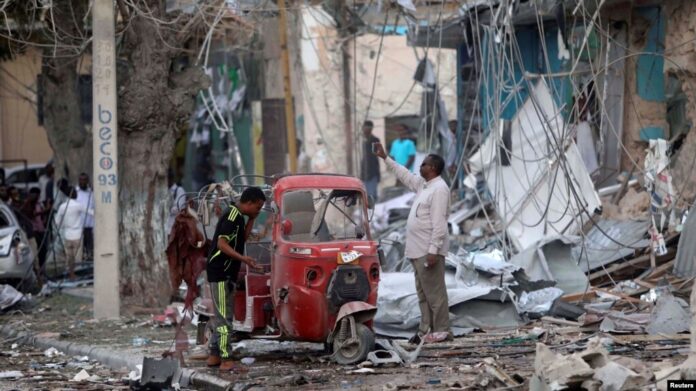
The Somali capital is bracing for potential unrest as security forces and rival armed groups flood the streets of Mogadishu. With major opposition demonstrations scheduled for Thursday, political tensions have reached a boiling point, leaving residents fearful of imminent clashes.
The visual landscape of Mogadishu shifted dramatically on Wednesday. Armored vehicles now line major thoroughfares, and security personnel have taken up positions at key intersections across the city.
However, the federal government isn’t the only force putting on a show of strength. Opposition groups have also deployed their own armed factions throughout the capital—a stark visual reminder of how deeply entrenched the political dispute has become.
The fragile peace has already shown signs of cracking. Witnesses reported hearing gunfire on Wednesday near the residence of former Prime Minister Hassan Ali Khaire, instantly elevating fears that the planned protests could spiral into open conflict.
What causes tension?
At the heart of the crisis is a complete breakdown in dialogue between the federal government and opposition leaders.
Last-minute efforts to broker a compromise collapsed this week, leaving both sides digging in their heels.
The opposition is taking to the streets to protest major grievances surrounding: controversial electoral reforms, proposed constitutional amendments, and management of Somalia’s political transition process
With memories of past conflicts looming large, the civilian population is refusing to take chances.
The fear of armed confrontation and subsequent displacement has already triggered a quiet exodus, with families actively packing up and moving away from neighborhoods expected to become frontline flashpoints.