
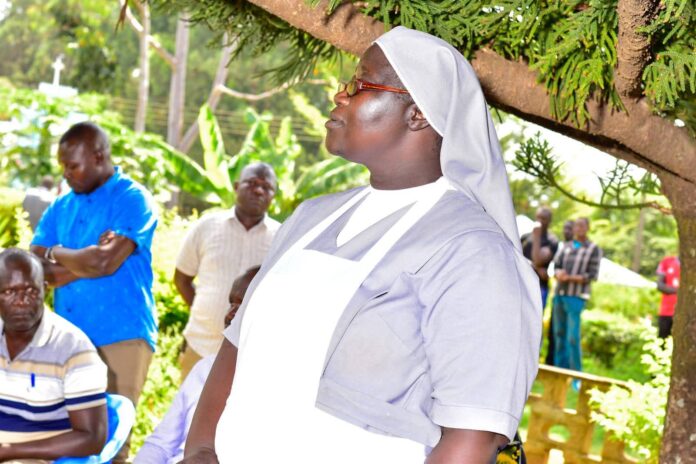
MIGORI: Sister Dorcas Atieno, a grassroots caregiver running a critical rescue center in Macalder, Nyatike constituency, has appealed for help from local leaders and well-wishers as her sanctuary faces mounting operational strains.
For years, Sister Dorcas has provided a vital safety net for vulnerable children from infancy to six years old who are battling severe health crises, abandonment, and extreme poverty across Migori County.
Operating in the remote Nyatike constituency, the sanctuary accommodates children from infancy up to six years of age, and occasionally older, depending on their vulnerabilities.
Now, as operational and financial pressures mount, Sister Dorcas is issuing an urgent appeal to local leaders and well-wishers for intervention.
A Refuge for the Vulnerable
The center currently looks after a diverse group of children, many of whom come from deeply complex backgrounds. Among them are orphans, children whose parents suffer from mental health challenges, and siblings left entirely without a support system.
“We do our best to provide a safe space,” Sister Dorcas explains adding that “But the needs are overwhelming. Because we are dealing with complex custody and social welfare issues, we must often wait for legal and court directions to guide us on how best to care for and permanently protect these children.”
To sustain the sanctuary, the center relies heavily on small-scale agricultural initiatives, including growing vegetables, farming tomatoes, and keeping beehives for honey production.
They also operate a small, subsidized dispensary where community members pay a nominal fee for basic treatment. Every shilling from the medical proceeds is funneled directly back into feeding and clothing the children.
Severe Health Crises Strain Resources
The financial and emotional strain on the sanctuary has reached a critical juncture due to severe medical emergencies involving two infants under Sister Dorcas’s care who are battling life-threatening illnesses.
An 11-month-old child is suffering from severe liver disease, while a 10-month-old infant is fighting a serious brain complication.
Both require immediate specialized referrals and urgent financial support to be transferred to advanced hospitals outside Migori County.
“The cost of treating even one child with a chronic illness is astronomical,” says Sister Dorcas.
“Our local options are completely exhausted, and we urgently need to transfer these infants to specialized hospitals. We are pleading with anyone who can support us to step forward immediately and help save these two young lives.”
Fraying Social Safety Nets
The influx of children into the center highlights a fraying social fabric in the region, driven by broken safety nets and harsh economic hurdles.
According to Sister Dorcas, a recurring tragedy brings children to the sanctuary’s doorstep when young mothers, having lost their husbands, seek out new relationships and occasionally abandon their small children.
Furthermore, the local gold mining industry presents a hidden hazard. Struggling mothers frequently take their young children to the mines to find work.
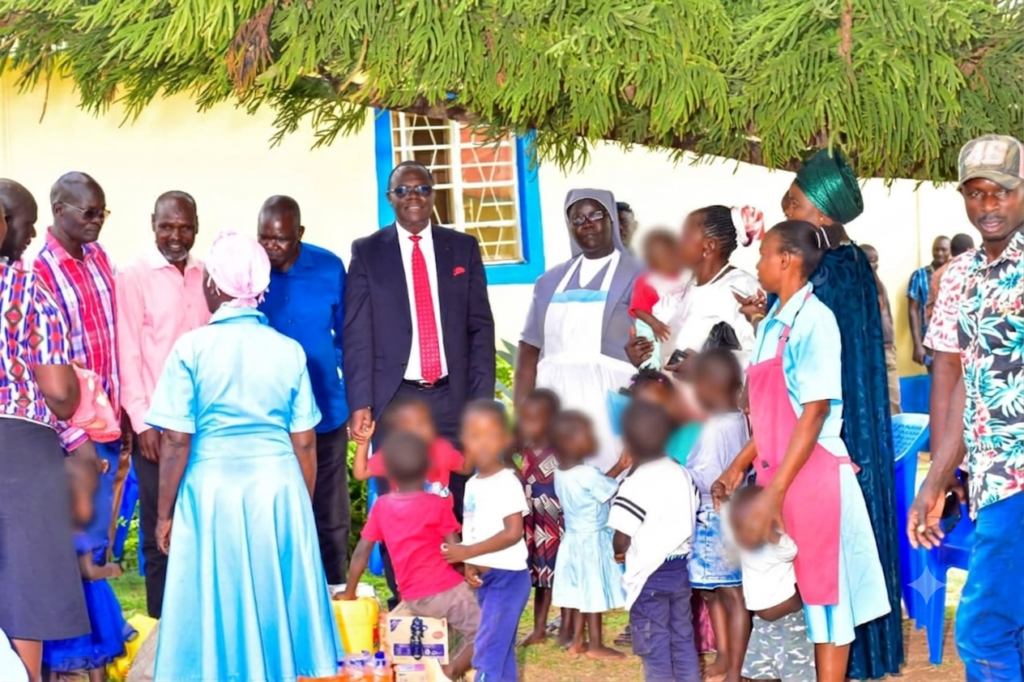
In these toxic environments, infants inhale heavy dust and chemical smoke, leading to severe respiratory illness. The hazardous conditions also cause the premature death of many parents, leaving behind a generation of orphans who depend entirely on the sanctuary.
The center’s reach extends far beyond local borders, with exactly half of the children coming from within Migori County and the other 50 percent brought in from neighboring regions.
For the older girls seeking refuge at the center, the lack of basic resources makes them incredibly vulnerable to exploitation. Without access to simple necessities like sanitary towels, young girls face immense pressure.
“Any small offer from ill-intentioned individuals can cause a desperate young girl to give up very easily,” Sister Dorcas notes, underscoring the desperate need for comprehensive dignity kits alongside basic food and shelter.
A Call to Leadership
While the National Government has occasionally stepped in with relief food—such as one-off donations of rice, beans, and cooking oil—this assistance remains highly irregular and insufficient for sustained operations.
Consequently, Sister Dorcas is making a direct and urgent appeal to Migori’s leadership, specifically calling on the County Governor, local Members of Parliament, Members of the County Assembly (MCAs), and the County Woman Representative to actively intervene.
Beyond immediate financial and material aid, she emphasizes that the local government must implement positive parenting programs within gold mining communities to sensitize parents on child protection.
“Every single person can make a difference,” urges Sister Dorcas. “Whether it is providing food, medical aid, or structural support, we need our leaders and our community to stand with us. We cannot let these children down.”