
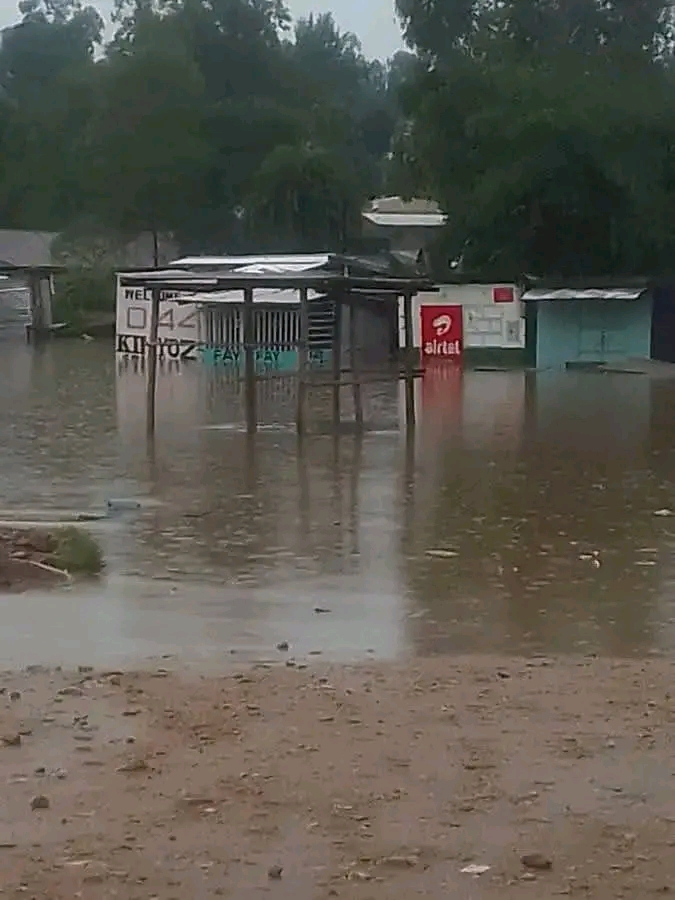
Electorates from Migori are in the dark on preparations the county administration has put in place ahead of El Niño rains, even as government agencies, water utility providers, and international humanitarian organizations across Kenya activate major emergency response plans.
According to updated forecasts from the Kenya Meteorological Department, global climate models indicate a high probability of a strong El Niño developing and driving above-normal rainfall during the upcoming short rains season, with wetter conditions likely persisting into early 2027.
Meteorologists caution that while depressed rainfall is anticipated across parts of western Kenya through the third quarter, the country faces a rapid shift toward heavy downpours and severe flooding once the season fully peaks.
At the national level, public utilities and infrastructure development authorities are aggressively implementing preventive measures to cushion against potential destruction.
Water service providers across major urban hubs are clearing drainage bottlenecks, constructing protective gabions around water treatment installations, and reinforcing piping networks to preserve clean drinking water supplies and stem potential waterborne disease outbreaks.
Concurrently, national road construction agencies are making tactical adjustments to ongoing projects to minimize site washouts and maintain critical transit routes during potential flood events.
To safeguard the agricultural sector, the UN Food and Agriculture Organization, alongside the World Food Programme and local agricultural officers, are issuing targeted advisories to farmers.
These early national interventions include procuring livestock vaccines, distributing early-maturing and flood-resistant seed varieties, and prepositioning anticipatory cash transfers to protect food security.
Yet, despite national mechanisms ramping up mitigation strategies and high-risk counties being urged to activate their anticipatory plans, residents in flood-prone Migori remain deeply anxious.
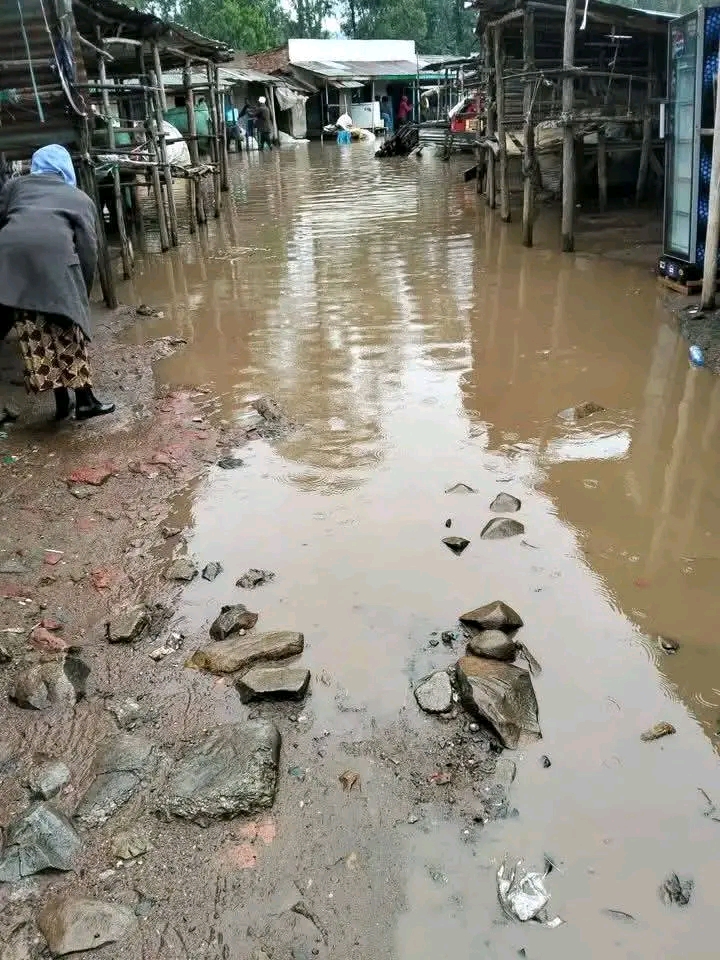
Migori is one of the region’s primary flood hotspots, where overflowing rivers routinely submerge communities, displace families, and wreak havoc on local infrastructure.
Previous rainfall cycles saw the critical Migori town bridge severely compromised by raging floodwaters, sparking public outrage and an intense political tug-of-war over its restoration.
Despite the urgent climate warnings, local communication remains nonexistent.
Attempts by Kondele News to contact Dalmas Odero, the Chief Officer for Environment, Natural Resources, Climate Change, and Disaster Management in Migori County, to establish if concrete contingency measures are being deployed yielded no fruit, as he neither answered calls nor responded to text messages.
This silence leaves locals guessing, particularly affected traders who suffered heavy financial losses during the last deluge. Vendors are raising sharp questions over Governor Ochilo Ayacko’s promise to finish constructing a modern market to cushion their operations.
Having received initial relief aid following past destruction, traders are now asking whether the county’s September completion commitment was genuine or a false assurance, given the visible lack of construction momentum on the ground as the heavy rains approach.
Expressing the deep cynicism among local business owners, Martin, a local vendor, noted that there is currently no tangible sign or hope that the project will be finished as promised.
“When the floods destroyed our goods, the Governor brought disaster money and promised us that by September, the construction of the modern market would be complete,” Martin stated. “Up to now, we see no hope or progress toward completing this market as promised.”
Ultimately, while experts emphasize that proactive community sensitization and early resource allocation are essential to preventing catastrophic losses, the stark contrast between national planning and local communication breakdowns in counties like Migori threatens to leave vulnerable populations dangerously exposed.