
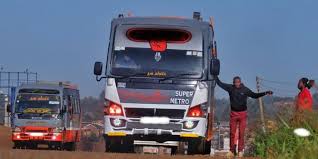
NAIROBI: Public transport operators have officially called off their planned nationwide strike following intensive, high-level talks with President William Ruto, ending days of mounting anxiety over a potential transport paralysis next week.
The breakthrough brings a sigh of relief to commuters across the country after a tumultuous week of unrest.
Just days earlier, a wave of furious protests over skyrocketing fuel costs had brought public transport to a near-standstill in many regions.
While operators had initially agreed to a temporary, seven-day suspension of their industrial action to allow for negotiations, Friday’s deliberations at State House in Mombasa permanently resolved the tense standoff.
The critical turning point came from the fuel pump itself.
Addressing the nation on Friday morning, President Ruto announced that the government would slash the price of diesel by Sh10 per litre in the upcoming June-July pricing cycle.
This fresh intervention builds on a previous Sh10.06 per litre mid-cycle reduction quietly implemented by the Energy and Petroleum Regulatory Authority (EPRA) earlier in the week to quell the initial protests.
Once this new reduction takes effect, the cumulative relief is expected to bring the cost of diesel down to Sh222.86 per litre in Nairobi.
It is a substantial drop from the staggering mid-May peak of Sh242.92, offering a vital financial cushion to public transport operators, logistics companies, farmers, and manufacturers who rely heavily on diesel to keep their businesses moving.
However, the Sh10 fuel drop was only one part of a much broader package of structural concessions hammered out between the state and transport stakeholders.
To secure a permanent truce, the government tabled several major reforms designed to protect matatu owners from economic ruin.
The Ministry of Transport has pledged to engage commercial banks to negotiate temporary leniency and restructured lending terms for operators struggling with vehicle loans.
Satisfied with these sudden policy shifts, Albert Karakacha, the National Chairman of the Matatu Owners Association (MOA), officially confirmed that the industry was standing down.
“We have called off the strike. We had suspended the strike, but we have called it off fully. We will not have a strike next week; we are going to work,” Karakacha stated.
He expressed profound gratitude to the government for stepping in to stabilize fuel prices and singled out Nairobi Governor Johnson Sakaja for his pivotal mediation role, noting that Sakaja’s early intervention helped prevent further devastating financial losses in the capital.
Flanked by other industry leaders, who openly apologized for the isolated incidents of vandalism caused by criminal elements infiltrating the earlier protests, Karakacha urged the country to prioritize economic stability over political friction, “Let’s build our country; politics will come in 2027.”
The underlying trigger for the entire crisis dates back to May 14, when a routine pricing review by EPRA sent shockwaves through the economy by hiking Super Petrol by Sh16.65 per litre and Diesel by a staggering Sh46.29 per litre.
While those initial adjustments pushed pump prices in Nairobi to historic highs of Sh214.25 and Sh242.92 respectively, this week’s rapid-fire negotiations and subsequent state interventions have successfully averted a prolonged national crisis.