
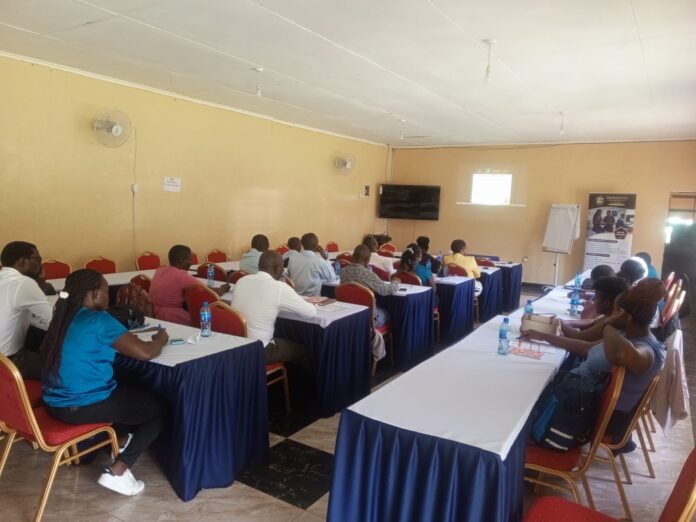
Migori County’s Department of Health, in partnership with the Vancouver Training Institute and local oncologists, has launched an intensive ChemoSafe and Cancer Care Training program for county medical professionals, marking a major milestone in decentralized oncology care.
The comprehensive capacity-building initiative equips frontline doctors and nurses with critical competencies across the full spectrum of oncology management,including cancer biology, diagnostic workflows, disease staging, safe chemotherapy administration, and strict handling protocols.
Beyond clinical mechanics, the curriculum places strong emphasis on holistic care, preparing health workers to navigate the complex emotional, social, and cultural impacts cancer diagnoses inflict on patients and families.
Migori County’s cancer care decentralization roadmap begins with specialized ChemoSafe training for local doctors and nurses, equipping healthcare teams with critical expertise in safe chemotherapy handling, diagnosis, and patient care.
Building on this clinical training, the second step focuses on fully operationalizing the Migori ChemoSafe Centre, establishing the required infrastructure and safety protocols right within the county. Once operational, the third phase delivers localized, in-county chemotherapy services, eliminating long-distance travel and reducing the heavy financial and physical burden of out-of-county patient transfers.
Finally, the roadmap connects clinical care with the community by deploying Community Health Promoters (CHPs) for door-to-door outreach, integrating early cancer screening into primary health services to catch cases early and fight social stigma.
Fast-tracking infrastructure to ease patient burden
The training program serves as the immediate precursor to operationalizing Migori’s dedicated ChemoSafe Centre, a facility designed to deliver safe, localized oncology therapies.
Speaking during the training event, Chief Officer for Medical Services, Sam Atula, urged swift activation of the new center to eliminate long-distance travel for vulnerable patients
“The operationalization of the ChemoSafe Centre is a significant milestone towards alleviating the burden on patients who previously endured long journeys or transfers to distant counties for essential chemotherapy.”Atula emphasized
Dr. Rose on her side,reinforced the importance of holistic care delivery alongside clinical preparedness.By expanding clinical skills locally, Migori aims to dismantle historical referral bottlenecks, providing timely, safe, and dignified cancer care within county borders.
“Effective cancer management must also recognize the emotional, social, and cultural realities that patients and their families face following a diagnosis.
Social stigma
In many rural communities, cancer carries severe social stigma. Misconceptions frequently paint the disease as an automatic death sentence, a contagious illness, or a consequence of spiritual wrongdoing,fostering secrecy and pushing patients to delay life-saving screenings out of fear of social isolation.
To tackle these social challenges, local health authorities are deploying a multi-pronged community strategy. Local health efforts begin with mobilizing Community Health Promoters (CHPs), who conduct door-to-door education to dispel common misconceptions using culturally respectful language.
Health teams are also engaging faith and traditional leaders, encouraging respected elders and religious figures to publicly endorse screenings and discuss survivorship during local gatherings. To offer tangible hope, local survivor peer networks connect newly diagnosed patients with individuals who have successfully undergone treatment, directly countering fatalistic beliefs within the community.
Furthermore, health communication is being transformed by reframing health terminology, replacing daunting clinical jargon with accessible language that presents early detection as proactive family wellness rather than a terminal diagnosis.
To protect patient privacy and reduce anxiety, oncology screenings are being integrated into routine care services,such as maternal health clinics, diabetes checks, and general wellness fairs allowing residents to be tested without the fear of entering a dedicated oncology unit.
Finally, health authorities are providing psychosocial and economic navigation by establishing localized support groups and counseling services, helping families manage caregiver burnout and navigate the financial strain of long-term care.
Numbers
Migori’s health system expansion comes amid a growing cancer burden across Kenya, where oncology conditions represent the third leading cause of death following infectious and cardiovascular diseases.
The national urgency of expanding local oncology services is highlighted by data from GLOBOCAN, which reveals the heavy burden of cancer across Kenya. Every year, the country records more than 35,800 new cancer diagnoses alongside approximately 22,800 cancer-related deaths.
Gender-specific data shows that breast and cervical cancers represent the most common malignancies among women, while prostate and esophageal cancers account for the highest incidence in men.
Crucially, between 70% and 80% of all cancer patients nationwide are diagnosed at advanced stages (Stage III or IV) a staggering rate driven largely by limited access to early screening and diagnostic facilities in rural communities.
The staggering late-stage diagnosis rate stems directly from limited rural screening infrastructure and delays in accessing specialized care.
By decentralizing chemotherapy capabilities and pairing them with community outreach, Migori’s ChemoSafe Centre directly targets these systemic delays to save lives.