
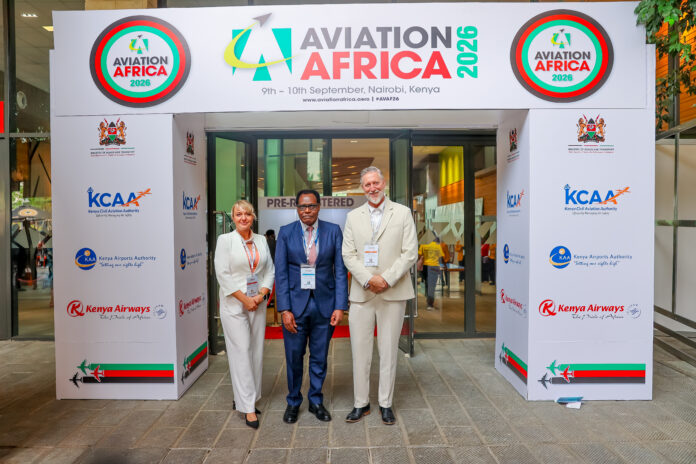
NAIROBI: Africa’s aviation sector stands at a critical crossroads, where restrictive regulations and high operational costs continue to stifle the continent’s immense economic potential.
Speaking at the Aviation Africa Summit 2026 in Nairobi, industry leaders emphasized that unlocking affordable air travel and boosting intra-African connectivity requires a decisive shift toward open-skies principles and deeper market liberalization.
Moses Mwangi, Managing Director of 748 Air Services, highlighted that the current market remains severely underdeveloped relative to Africa’s population and growing demand for business and tourism.
High airport charges, fragmented regulatory frameworks, and costly route operations ultimately translate into expensive ticket prices for passengers.
“Africa has enormous aviation potential, but unlocking it requires us to look differently at how our markets are connected,” said Mwangi.
He went on, “Greater openness can create room for more routes, stronger competition, and ultimately greater choice for passengers.”
Addressing delegates, Prime Cabinet Secretary Musalia Mudavadi underscored the inefficiency of current regional travel, noting that flying between neighboring African nations still frequently requires transiting outside the continent.

Reaffirming Kenya’s commitment to the Single African Air Transport Market (SAATM), Mudavadi called for harmonized regulations, mutual recognition of safety standards, and robust infrastructure investment to streamline cross-border travel.
Beyond policy reform, airlines are leveraging strategic partnerships and modern technology to boost operational efficiency.
During the summit, 748 Air Services engaged with key partners, including DOTAS Aviation, following a recent LED cabin lighting retrofit on its fleet aimed at improving energy efficiency and enhancing passenger experience.
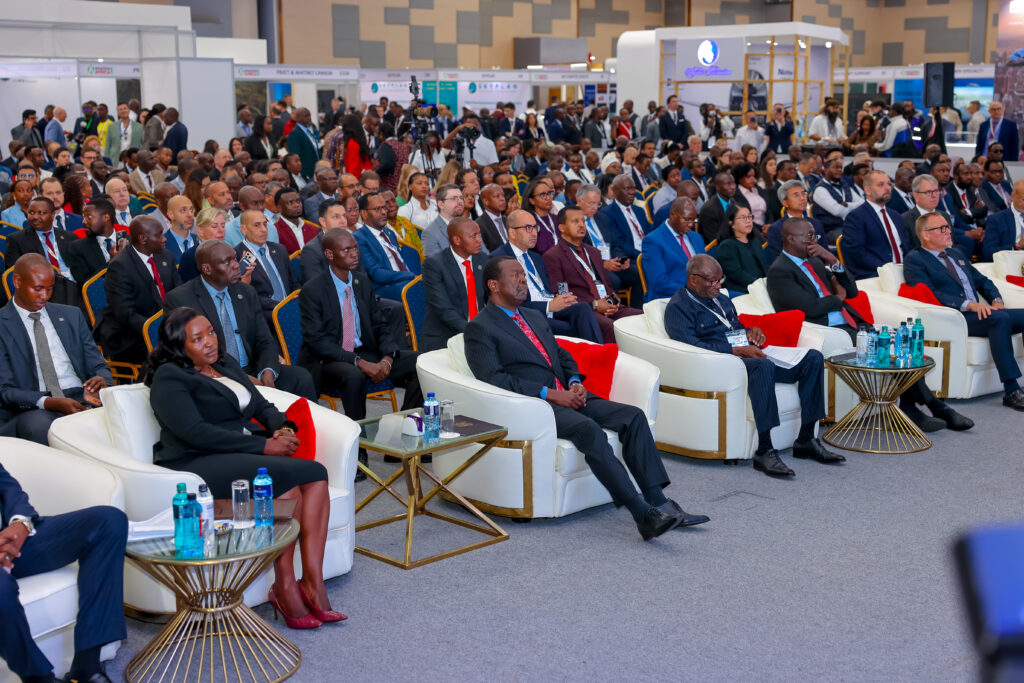
A fully integrated African economy relies heavily on seamless mobility for small businesses, manufacturers, and tourists alike.
By dismantling regional barriers and embracing the SAATM framework, African nations can transform aviation into a powerful engine for trade, investment, and long-term economic growth.