
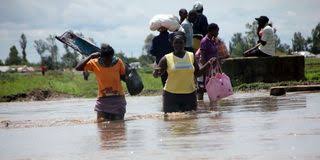
Frustration is boiling over in Migori County as traders and residents accuse local authorities of shifting the burden of flood preparedness onto the public while failing to perform basic municipal duties, such as clearing clogged drainage systems ahead of anticipated heavy rainfall.
While government officials continue issuing public advisories urging citizens to remain vigilant against potential El Niño flooding, residents argue that individual caution is useless when public infrastructure is completely neglected.
Even moderate downpours are already overtopping narrow, waste-filled trenches, spilling murky runoff directly into storefronts, homes, and main roadways.
Wycliffe Imbara Deko, a local mechanic and garage operator whose livelihood directly borders one of the main drainage lines, pointed out the stark contradiction between official warnings and action on the ground.
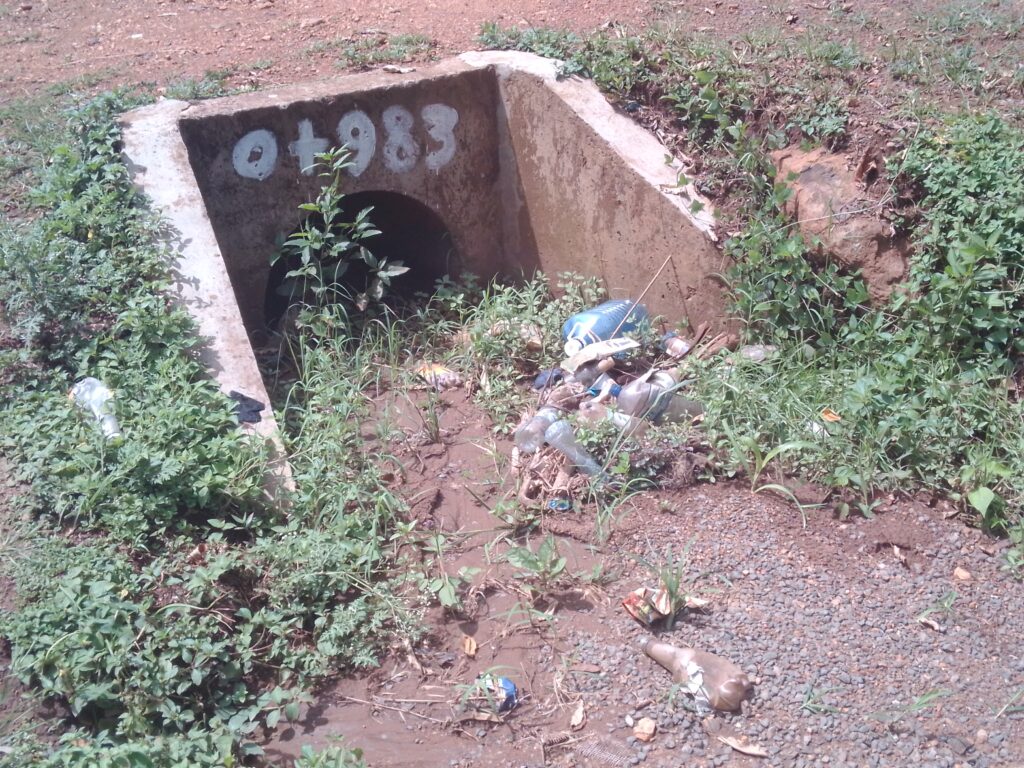
“We are asking the county government to help us remove the garbage in these drainage channels because we are heading towards the El Niño season. We fear we will suffer greatly if nothing is done,” Deko said, noting that overflowing trash and debris leave virtually no room for rainwater to pass.
The core issue facing Migori is not just a lack of maintenance but an engineered bottleneck. Currently, a single narrow, shallow trench is expected to carry the entire volume of stormwater cascading down from the town’s higher elevations toward the nearby river.
Clearing tunnels
Because the channel lacks the capacity and is filled with urban waste, water immediately backs up onto the streets, forcing shopkeepers to suspend business operations and battle incoming floodwaters whenever it rains.
Disillusioned business owners argue that public safety warnings feel empty when the government refuses to implement practical civil engineering solutions.
“How are residents expected to prepare when the drainage channels are full and water cannot flow to the river?” one resident asked. “The government should start clearing the trenches so that rainwater can drain properly and businesses can continue operating.”
To mitigate the impending crisis, residents and business operators are demanding immediate, multi-pronged intervention from both county and national government bodies.
First, they are calling for systematic excavation to deepen and widen the main trench network, ensuring runoff passes safely beneath roads rather than washing across them.
Alongside this, infrastructure expansion is crucial to construct secondary diversion routes that can redistribute water volume and prevent heavy pressure build-ups on a single channel.
Traders and community members also emphasize that continuous maintenance is necessary alongside physical expansion.
They are urging authorities to conduct routine waste removal by de-silting clogged passages and establishing regular clearing schedules before peak rainfall arrives.
Finally, residents propose tying these flood mitigation efforts to youth employment initiatives by hiring local young people to manually unblock drainage channels, a move that would tackle both severe flood risks and local unemployment.
With heavy rains threatening to disrupt transport, destroy inventory, and endanger lives, the message from Migori’s business community is clear: municipal authorities must move past verbal warnings and take physical responsibility for the public infrastructure under their care before the worst of the weather arrives.


